


What Is an Inciting Incident in a Story? It’s Not a Spark. It’s a Hinge.
Most writing guides teach that the inciting incident starts the story. But that model confuses chronology with causality. The inciting incident isn’t a spark: it’s a hinge. It’s the final beat that locks the narrative into motion, the first moment after which everything must happen.

What Is a Scene? The Most Common Misconception in Fiction Writing
Most writers think of a scene as the place where stuff happens. But a real scene is a unit of structural change: a high-stakes character pursues a goal, meets real resistance, and hits an escalation that shifts the story. If it doesn’t turn, it doesn’t count.

Dialogue As Action
Most writers think dialogue is how characters convey information. It's not. It's how they try to win.
What Is a Premise in a Story? Why It Matters and How to Write One That Generates Plot
A premise is the engine of a story. It’s not a summary, a theme, or a description of subject matter. A premise defines the central struggle of a narrative in a way that automatically generates plot.
How to Write Setting That Drives Story: Setting Isn’t Backdrop. It’s the Engine
Most writers treat setting like wallpaper. But setting isn’t just what surrounds the story, it’s what acts on it. It’s the fusion of physical detail, body-in-space, and POV voice that generates narrative pressure and emotional atmosphere. This guide breaks down how to use setting as a structural force, not decorative backdrop, so every scene gains momentum, tension, and meaning.

Scenes Aren’t Enough: How to Build Sequences That Matter
Most writers know how to write scenes. Fewer know how to link them. Fewer still design sequences that escalate tension, deepen character change, and carry real momentum between acts. The result is fiction that moves but doesn’t evolve. This essay breaks down the five design pillars of effective sequences and shows how to avoid the most common mistake: not designing them at all.

No, an Outline Is Not a Scene List
Most outlines fail because they track time,not tension. If you're stuck in "and then" plotting, you need a new unit of design: the sequence.

Not All Opposites Are Foil Characters. Not All Doubles Are Mirror Characters.
If your cast “contrasts” the protagonist but doesn’t change the story, you don’t have a foil or mirror. You have noise. This essay shows you how to fix it.
Cause and Effect: How to Make Time Move on the Page
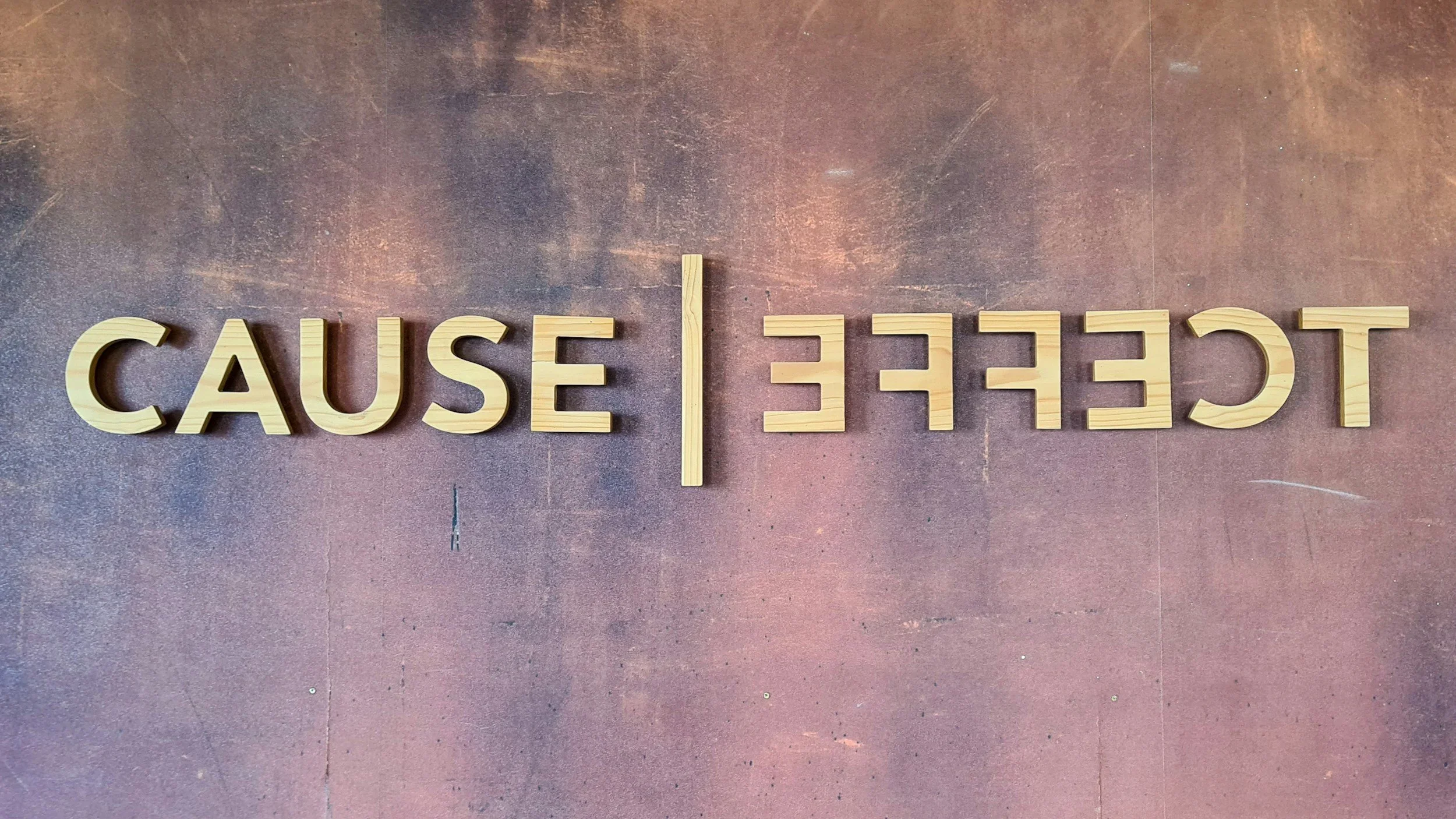
Most writing guides teach plot or prose—but few teach how time moves. This guide reveals the hidden structure behind real-time storytelling: the neurological chain of cause and effect. Learn to anchor beats in pressure, preserve micro-tension, and write scenes that feel lived, not just read. Once you understand how time flows through the line, your fiction stops floating and starts gripping.

How to Use Narrative Tableaux in Fiction
Not every moment has to move. Narrative tableaux are static, emotionally charged beats that don’t progress the plot but deepen everything around it. This essay shows how to use them without stalling the story.

Designing Flashbacks In Fiction
A flashback isn’t a memory dump. It’s a pressure device. It must interrupt the present, reframe the stakes, and end in a turn. This essay shows how to structure flashbacks that change the story not just explain it.

You Don’t Hate Writing. You Hate That It’s Not Getting Better
Praxis is a free craft trainer for fiction. It does not write for you. It installs goal, obstacle, escalation, and turn so every scene ends in a real change. Built from the Not MFA system I’ve used with writers for seven years.